Buy TransOcean 2: Rivals at the Best Price
- PC


Top retailers
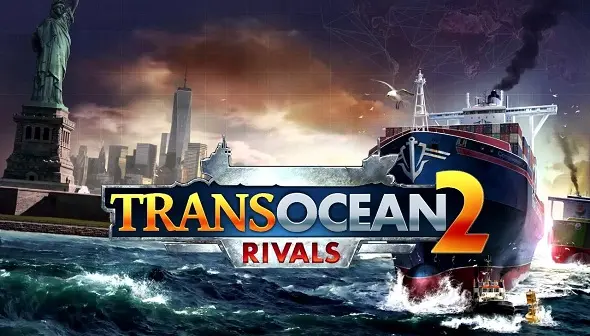
TransOcean 2: Rivals is a simulation game. The game puts players in the role of a shipping company manager, responsible for managing a fleet of ships and transporting goods across the world's oceans.
The gameplay of TransOcean 2: Rivals is focused on managing resources and making strategic decisions. Players must manage their finances carefully, investing in new ships, ports, and upgrades to keep up with their competitors. Players must also make strategic decisions about which goods to transport, negotiating prices and managing risk to ensure their company's success.
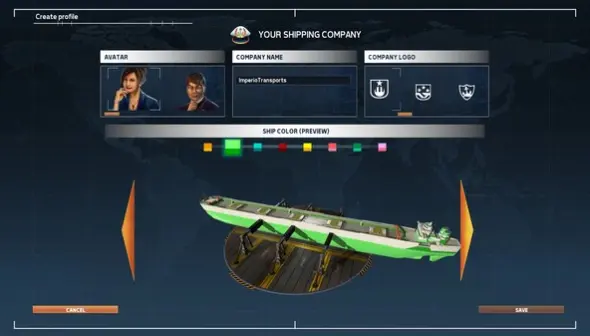
The game features a variety of different ships, each with its stats and abilities, from container ships to tankers, bulk carriers, and passenger liners. Players must also manage their crew, hiring and training new staff to ensure their ships operate efficiently.
TransOcean 2: Rivals features a campaign mode, where players compete against rival shipping companies in fierce competition to become the most dominant shipping company in the world. The game also features a sandbox mode, allowing players to play at their own pace and experiment with different strategies and approaches.
The graphics of the game are visually impressive, with detailed ship models, realistic weather effects, and landscapes that offer an immersive and engaging atmosphere. The sound design of the game is also notable, featuring realistic sound effects and a soothing soundtrack that complements the game's overall relaxing and strategic gameplay.
Overall, TransOcean 2: Rivals is an engaging and immersive simulation game that offers a unique and challenging experience for players who love to manage resources and make strategic decisions. Its impressive graphics and well-crafted sound design enhance its already compelling gameplay, making it a must-play for simulation game enthusiasts.
Best deals for TransOcean 2 Rivals


Technical information
- Official website
- Categories : Simulation, Strategy
- Editor : astragon Entertainment
- Developer : Deck13
- Release date : 10 May 2016
- System Requirements
-
- Minimum
- OS: Windows 7
- CPU : Intel Core i3-2120, 3,3 GHz
- RAM : 4 GB
- GPU : Geforce GTX 260, Radeon HD 4850 (1 GB VRAM)
- Storage : 8 GB
- Recommended
- CPU : Intel Core i5-3570K, or higher
- RAM : 8 GB
- GPU : Geforce GTX 760 or comparable
- Age Rating
Supported languages
| Interface | Audio | Subtitles | |
|---|---|---|---|
| English | |||
| Italian | |||
| German | |||
| Spanish (Spain) | |||
| Czech | |||
| Portuguese (Brazil) | |||
| Russian | |||
| Turkish | |||
| Hungarian | |||
| Polish | |||
| French |


- Also Published By astragon Entertainment
-
1349.00₹Bus Simulator 27Allyouplay
-
 880.00₹Ranger’s Path National Park SimulatorSteam
 -
 63.26₹Underground GarageKinguin
 -
 987.62₹Storage Hunter SimulatorGAMESEAL
 -
 900.00₹Seafarer The Ship SimSteam
 -
 1050.00₹Firefighting Simulator IgniteAllyouplay
 -
 394.94₹RAILROADS Online!Kinguin
 -
 581.33₹Tram Simulator Urban TransitKinguin
 -
 287.02₹HowlKinguin
 -
 86.48₹ABRISS build to destroyEneba
- Most Popular
-
1137.56₹ValheimLOADED
-
1649.00₹Halloween The GameSteam
-
4399.00₹Onimusha Way of the SwordGamersGate
-
3999.00₹Blood of DawnwalkerSteam
-
2218.26₹Diablo 4 Lord of HatredKinguin
-
3397.32₹Crimson Desert EnhancedKinguin
-
3999.00₹NBA 2K27Steam
-
2499.00₹STAR WARS Zero CompanySteam
-
4668.74₹Forza Horizon 6LootBar
-
6104.72₹Grand Theft Auto 6Eneba
- New games
-
336.75₹CloudscrapersGamersGate
-
7238.16₹EA Sports NHL 27Eneba
-
359.74₹Magical BlushKinguin
-
849.64₹BrokenLore DON’T LIEKinguin
-
437.10₹Dumb Ways to BuildAllyouplay
-
294.67₹Dungeon BrawlsKinguin
- Available soon
-
1889.00₹Train Sim World 7Steam
-
915.00₹The Walking Dead Streets of SurvivalSteam
-
919.00₹Graveyard Keeper 2Steam
-
2602.33₹Total War WARHAMMER III – Lords of the End TimesFanatical
- Trending Now
- Summer Event 2026 Wrap-Up & Leaderboard01/09/26Gaming News
- BlizzCon 2026: Diablo V, a new StarCraft, and World of Warcraft: Forever13/09/26Gaming News
- Warhammer 40,000: Space Marine 2 Patch 15 Brings Chaos to Siege04/09/26Gaming News
- GTA VI gets two flashy limited-edition DualSense controllers before release04/09/26Hardware News
- The Blood of Dawnwalker is already a hit on Steam03/09/26Gaming News
- News, Good deals
- Is Logan enough for Marvel's Wolverine to succeed?5 hours agoGaming News
- Call of Duty: Modern Warfare 4’s Pre-Order Bonus is special on Xbox10/09/26Gaming News
- Sucker for Love: Crush Landing Turns Cosmic Horror Into Romance10/09/26Gaming News
- No Man’s Sky Overhauls Space with the COSMOS 7.0 Update09/09/26Gaming News
- Valheim officially leaves Early Access with version 1.009/09/26Gaming News
- Salvation: Echoes of War Traps You in a WWII Nightmare08/09/26Gaming News
answering the message of