O.B.O.L: Where Life and Death Are Two Sides of One Coin

You are at the bottom of the ocean, trapped inside a decaying metal chamber. Sitting across from you is an old man sent by CORPORATE with an “evaluation” that sounds harmless enough. There are no guns, no monsters charging at you, and no giant maze to escape from. There is only a coin, a few bottle caps to wager, and one very simple question: heads or tails? Released on September 17, O.B.O.L begins with an idea that almost sounds ridiculous — then slowly makes you realize that nothing inside this room is truly harmless.
O.B.O.L Makes Flipping a Coin Far Scarier Than It Should Be
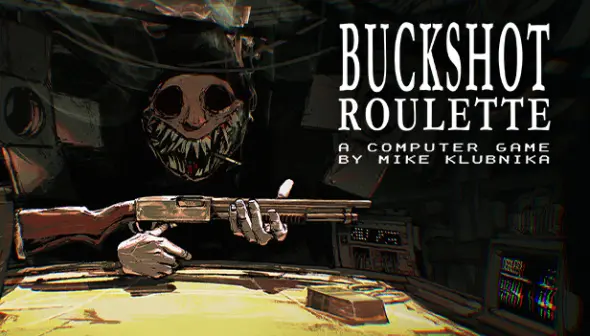
If you have played Buckshot Roulette, you will immediately recognize the appeal of building an entire game around an extremely simple rule with dangerously high consequences. O.B.O.L understands that idea just as well, but replaces the shotgun with a coin and puts your life on the outcome every time it lands. It is also the kind of concept that barely needs an explanation: watching a coin flip for a few seconds is enough to understand exactly what is at stake. Perhaps that is why the demo had already caught the attention of creators such as Markiplier, MoistCr1TiKaL, and Alpha Beta Gamer before launch.
However, O.B.O.L is not simply a 50/50 guessing game where everything comes down to luck. Bottle caps are your wagers, your opponent's predictions give you additional information to consider, and items can influence the situation before the coin decides the outcome. There are not many layers of systems here, but nearly everything revolves around the same question: how much more are you willing to risk for an advantage?
Your main options remain deliberately compact:
- Wager bottle caps and predict the result of each coin flip.
- Watch your opponent's predictions before deciding how much risk to take.
- Use items to influence the odds or change the situation at the table.
- Leave the table to explore the cabin and search for clues.
- Pay attention to unusual signs connected to sanity and the environment.
- Piece together information that can lead to different endings.
Beyond the gambling mechanics, being able to stand up and leave the table is what really starts to separate O.B.O.L from the feeling of “Buckshot Roulette, but with a coin.” The cabin at the bottom of the sea is not simply a backdrop for the game of chance. It becomes the second half of the mystery, where objects, sounds, and clues gradually make CORPORATE's evaluation seem even more suspicious than the rules sitting in front of you.
The limited space also works in the game's favor. O.B.O.L does not need long corridors or a huge map to make you feel trapped; simply knowing that you are stuck at the bottom of the ocean is enough to make the room uncomfortable. Its retro, PSX-inspired visuals, rusted metal, dim lighting, and Lovecraftian touches are not trying to look polished or beautiful. They are there to keep reminding you that something about this place is wrong.
What makes that tension interesting is how such a simple mechanic manages to create it. You do not need to learn a skill tree, memorize dozens of combos, or spend an hour understanding the systems before the game starts working on you. But the longer you sit there, the more suspicious that simple coin begins to feel. Does your opponent know something you do not? Should you use that item now? Is it worth betting more bottle caps? And more importantly, what is actually happening beyond the table?
That is also where the early player response becomes interesting. The core concept has been received positively, while the developer's early adjustments have mainly focused on details such as interactions, items, and the pacing of the first round. That kind of post-launch tuning fits O.B.O.L particularly well: this is a small, tightly controlled experience where even a few extra seconds of waiting or an unclear interaction can disrupt the tension the game is trying to maintain.
But O.B.O.L is probably at its best when you do not know too much in advance.
The game's origins as the Charon’s Obol prototype also give the coin itself another layer of meaning. In Greek mythology, the obol is associated with the payment given to Charon to carry the dead into the afterlife; here, a coin once again stands between you and survival. The game does not need to shout that symbolism at you. Watching a coin spin through the air while your life is on the line already creates the connection on its own. And the less you know beforehand about the cabin, its clues, or its endings, the more room the experience has to work. O.B.O.L takes a game everyone understands, puts it somewhere nobody would want to be trapped, and slowly makes you question both your luck and the person sitting across the table.
If another coin toss still leaves you thinking, “One more round probably won't hurt,” then perhaps CORPORATE chose the right person for this “evaluation.”
Visit the game's official Steam page for more details, and don't forget to check out our price comparison platform to buy O.B.O.L game key at the best price.

Best deals for O.B.O.L

You may also like


Technical information
- Official website
- Categories : Action, Adventure, Strategy
- Editor : MrEliptik
- Developer : MrEliptik
- Release date : 17 September 2026


- Trending Now
- Summer Event 2026 Wrap-Up & Leaderboard01/09/26Gaming News
- 25 Years In, RuneScape Finally Reaches Consoles With Dragonwilds17/09/26Gaming News
- Warcraft III Forsaken Kingdom: New Campaign Returns to Lordaeron15/09/26Gaming News
- Valve’s Steam Frame finally gets a price, release date and new accessories14/09/26Hardware News
- Steam Frame launch appears imminent as its first review video leaks online14/09/26Hardware News
- News, Good deals
- Heaven Is No Longer Safe in Kernel Hearts3 hours agoGaming News
- Police Chief Simulator Turns a Small Station Into Your Own Force4 hours agoGaming News
- Silent Hill: Townfall breaks the rules of Silent Hill6 hours agoGaming News
- Edge of Memories Confirms November 5, 2026 Release Date18/09/26Gaming News
- Bloodstained: The Scarlet Engagement Shows New Gameplay Trailer18/09/26Gaming News
- The Rogue Prince of Persia Gets a Major Anniversary Update18/09/26Gaming News
- Most Popular
-
1969.00₹WardogsSteam
-
3190.99₹Crimson Desert EnhancedHRKGAME
-
2249.00₹Diablo 4 Lord of HatredSteam
-
3999.00₹Blood of DawnwalkerSteam
-
1140.90₹ValheimLOADED
- New games
-
915.00₹The Walking Dead Streets of SurvivalSteam
-
1649.00₹The Grinch 2 Saving ChristmasSteam
-
792.00₹Police Chief SimulatorSteam
-
823.00₹Kernel HeartsSteam
-
305.00₹O.B.O.LSteam
- Available soon
-
919.00₹Graveyard Keeper 2Steam
-
1551.30₹Qliphah in Providence's ShadowDifmark
-
3364.02₹SILENT HILL TownfallEneba
-
2609.97₹Total War WARHAMMER 3 Lords of the End TimesFanatical
-
1249.00₹Dragon Quest XI S Echoes of an Elusive Age Definitive EditionSteam
answering the message of