From growth to crisis: The risk and reward of Microcivilization

Another strategy game is popping up, and once again it proves that the genre still has room to surprise players. Microcivilization may look small at first glance, but it hides a clever twist that sets it apart from many classic empire builders. Instead of asking you to manage endless menus or huge maps, the game focuses on growth through compact systems, fast decisions, and constant momentum. It feels familiar if you like strategy games, but it also moves at the pace of an idle or incremental game, which makes it easy to jump in and hard to put down.
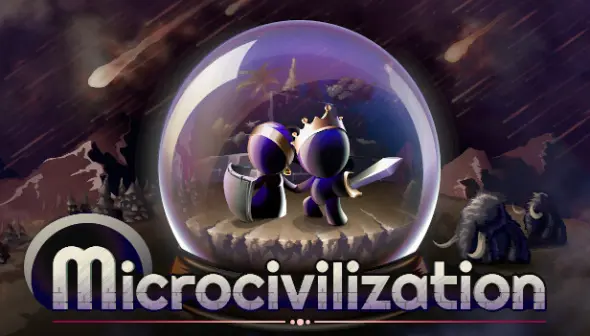
Visually, Microcivilization keeps things clean and simple. The pixel art style is colorful and readable, with clear icons and numbers doing most of the storytelling. The setting is abstract rather than historical, letting you guide a civilization through different ages without being locked into realism. You are not placing cities on a map or moving armies tile by tile. Instead, you are shaping a growing society by increasing population, managing resources, unlocking technology, and preparing for the dangers that come with progress. It’s more about systems and flow than about geography.
A familiar feel for fans of classic strategy games
Players coming from more mainstream strategy games may find echoes of Civilization VII, even though the scale and approach are very different. Just like in that series, you guide a civilization through growth, expansion, and technological progress while trying to avoid collapse. The difference is that Microcivilization strips the idea down to its core, focusing on systems and numbers instead of maps and units. It captures the same feeling of “one more turn,” but delivers it through faster loops and constant decision-making rather than long, drawn-out matches.
The main loop is where the game really shines. You grow your population, boost your economy, unlock upgrades, and push forward knowing that every gain also increases risk. As your civilization expands, threats like wars, plagues, or unrest start to appear. When a crisis hits, it becomes a numbers-based challenge where your people, economy, heroes, and bonuses all matter. You can also reset and ascend, starting over stronger and smarter, which makes replaying runs feel rewarding rather than repetitive.
Overall, Microcivilization is a great example of how strategy games can be deep without being overwhelming all the time. That said, some recent complaints focus on the crisis system. For certain players, crises can stack too quickly, leading to sudden collapses that are hard to recover from. When things go wrong, the punishment can feel heavy. Even with that issue, the core idea is strong, and for gamers who enjoy planning, looping progress, and watching numbers grow into something big, Microcivilization offers a smart and engaging experience. Don’t forget to use our price comparison tool to find the best prices for Microcivilization.
Find the best price for Civilization VII on DLCompare.

Best deals for Microcivilization

You may also like


Technical information
- Official website
- Categories : Management, Strategy, Point and Click, City Builder
- Editor : Ondrej Homola
- Developer : Ondrej Homola
- Release date : 22 January 2026


- Trending Now
- GameStop’s used PS5 Pro prices are raising eyebrows as GTA 6 approaches19/10/26Hardware News
- GTA 6 Online: Is There Multiplayer at Launch? Everything Confirmed So Far19/10/26Gaming News
- Total War: SHOGUN 2 Complete Edition Is Pulled After a Disastrous Launch16/10/26Gaming News
- GTA 6 launch trailer is here: Rockstar sets the stage for the release15/10/26Gaming News
- GTA 6 Editions Compared: Standard vs Ultimate and Why There's No Deluxe Edition12/10/26Gaming News
- News, Good deals
- Hunting Simulator 3: Demo, Pre-Order Bonuses and Launch Details30 minutes agoGaming News
- Final Fantasy Resonance is now Steam’s most popular Single-Player Final Fantasy7 hours agoGaming News
- SULFUR 1.0 Brings More Gun Magic and Gets Ready for Consoles19 hours agoGaming News
- Remothered: Red Nun’s Legacy Arrives to Close the Horror Trilogy20 hours agoGaming News
- Tape to Tape 1.0: Mischievous Hockey Hits the Big Leagues23 hours agoGaming News
- GTA 6 Preload: Date, Download Size and How to Preload on PS5 and Xbox26/10/26Gaming News
- Most Popular
-
3999.00₹EA SPORTS FC 27Steam
-
2960.73₹Crimson Desert EnhancedGAMESEAL
-
1969.00₹WardogsSteam
-
1619.00₹EnshroudedSteam
-
3672.87₹Battlefield 6HRKGAME
- New games
-
1853.18₹Farming Simulator 25 Beans & Alpacas ExpansionEneba
-
2570.13₹Remothered Red Nun's LegacyGamesplanet US
-
353.48₹Stygian Outer GodsKinguin
-
572.00₹RekaSteam
-
1349.00₹Warrior Cats Clans of the ForestSteam
- Available soon
-
1599.00₹Crimson Desert Enhanced Charting the UnknownSteam
-
4298.85₹Phantom Blade ZeroGAMESEAL
-
2237.34₹World of Warcraft ForeverKinguin
-
5712.57₹Football Manager 27Fanatical
-
41.25₹SHOCK TROOPERSKinguin
answering the message of