Buy Yomawari: Lost in the Dark at the Best Price
- PC
- PS4


Top retailers
Yomawari: Lost in the Dark is a survival horror adventure that immerses players in a nightmarish world where silence is as dangerous as what lurks within it. Built around exploration and atmosphere rather than combat, the game invites you into a dark, unsettling journey shaped by memory loss, fear, and the unknown.
The story follows a young girl who awakens alone in a strange forest with no clear recollection of how she arrived there. Cursed and disoriented, she is drawn toward a nearby town in search of fragments of her forgotten past. As she moves deeper into the darkness, she begins uncovering disturbing truths tied to both the curse and her missing memories.
Gameplay focuses on cautious navigation through a top-down perspective world where visibility is limited and danger often reveals itself only through sound or subtle environmental cues. Survival depends on observation and restraint—avoiding hostile spirits, hiding when necessary, and using limited tools like a flashlight to guide your way through the shadows.
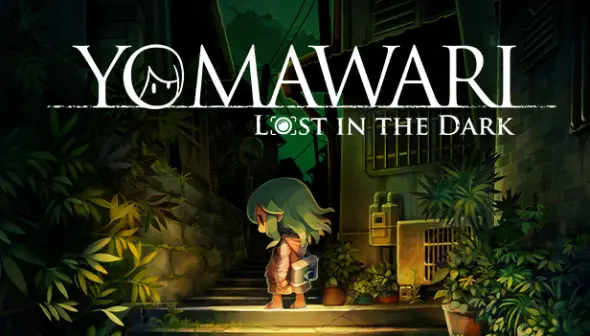
The game's visual style contrasts its tone, pairing a soft, almost storybook-like presentation with deeply unsettling imagery and oppressive darkness. This contrast is reinforced by an atmospheric soundscape that constantly heightens tension, making every footstep and distant noise feel significant.
As the journey progresses, players uncover fragments of the protagonist's identity and the mystery behind the curse through exploration and environmental storytelling. Rather than relying on direct confrontation, Yomawari: Lost in the Dark builds its horror through vulnerability, discovery, and the constant pressure of what might be hiding just out of sight.
Best deals for Yomawari Lost in the Dark


Technical information
- Official website
- Categories : Adventure, Strategy
- Editor : NIS America
- Developer : Nippon Ichi Software
- Release date : 25 October 2022
- System Requirements
-
- Minimum
- OS: Windows 10 / 11 (64 bit)
- CPU : i3-3225
- RAM : 4 GB
- GPU : Intel HD 4000
- Storage : 4 GB
- Recommended
- CPU : i5-4670
- GPU : GeForce GTX 570
- Age Rating
-

Supported languages
| Interface | Audio | Subtitles | |
|---|---|---|---|
| English | |||
| Japanese | |||
| Korean | |||
| Chinese (Simplified) | |||
| Chinese (Traditional) |


- Also Published By NIS America
-
 2099.00₹BRIGANDINE ABYSSSteam
 -
2399.00₹Village in the ShadeSteam
-
2799.00₹Disgaea MayhemSteam
-
2325.00₹R Type Tactics I • II CosmosSteam
-
 2325.00₹STARBITESSteam
 -
 2300.00₹Etrange OverlordSteam
 -
 905.00₹The Liar Princess and the Blind PrinceSteam
 -
 2700.00₹The Legend of Heroes Trails beyond the HorizonSteam
 -
 2400.00₹Cladun X3Steam
 -
 3157.31₹Phantom Brave The Lost HeroGAMESEAL
- Most Popular
-
1137.56₹ValheimLOADED
-
1649.00₹Halloween The GameSteam
-
3999.00₹Blood of DawnwalkerSteam
-
2218.26₹Diablo 4 Lord of HatredKinguin
-
4371.96₹Onimusha Way of the SwordG2A
-
3397.32₹Crimson Desert EnhancedKinguin
-
2499.00₹STAR WARS Zero CompanySteam
-
3999.00₹NBA 2K27Steam
-
4659.24₹Forza Horizon 6HRKGAME
-
3079.00₹Resident Evil RequiemSteam
- New games
-
1889.00₹Train Sim World 7Steam
-
336.75₹CloudscrapersGamersGate
-
993.48₹Golden SwirlK4G
-
6779.88₹EA Sports NHL 27Difmark
-
343.66₹Magical BlushKinguin
-
841.01₹BrokenLore DON’T LIEKinguin
- Available soon
-
915.00₹The Walking Dead Streets of SurvivalSteam
-
919.00₹Graveyard Keeper 2Steam
-
2602.33₹Total War WARHAMMER III – Lords of the End TimesFanatical
-
3586.81₹SILENT HILL TownfallFanatical
- Trending Now
- Summer Event 2026 Wrap-Up & Leaderboard01/09/26Gaming News
- BlizzCon 2026: Diablo V, a new StarCraft, and World of Warcraft: Forever13/09/26Gaming News
- Warhammer 40,000: Space Marine 2 Patch 15 Brings Chaos to Siege04/09/26Gaming News
- GTA VI gets two flashy limited-edition DualSense controllers before release04/09/26Hardware News
- The Blood of Dawnwalker is already a hit on Steam03/09/26Gaming News
- News, Good deals
- Is Logan enough for Marvel's Wolverine to succeed?23 hours agoGaming News
- Call of Duty: Modern Warfare 4’s Pre-Order Bonus is special on Xbox10/09/26Gaming News
- Sucker for Love: Crush Landing Turns Cosmic Horror Into Romance10/09/26Gaming News
- No Man’s Sky Overhauls Space with the COSMOS 7.0 Update09/09/26Gaming News
- Valheim officially leaves Early Access with version 1.009/09/26Gaming News
- Salvation: Echoes of War Traps You in a WWII Nightmare08/09/26Gaming News
answering the message of