Buy Rome : Total War at the Best Price
- PC
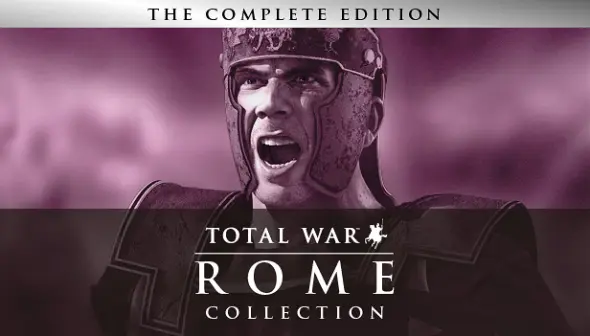


Rome: Total War is a real-time strategy game developed by Creative Assembly. The game puts players in charge of one of the ancient Roman factions and tasks them with leading it to victory.
At its core, Rome: Total War combines classic turn-based empire-building features with large-scale real-time battles. Players must manage their city’s growth and expansion, recruit armies, and construct buildings that provide advantages on the battlefield. For example, players can erect walls around cities to make them harder to conquer, or build ships for naval invasions.
Players will also have access to a variety of units ranging from light infantry to heavy cavalry and siege engines. These units can be customized with different weapons and armor setups to create an army tailored to the player’s playstyle. In addition, various battle strategies such as flanking maneuvers can be used for maximum effectiveness against enemy forces.
In conclusion, Rome: Total War is an engrossing strategy game that captures the grandeur of Ancient Rome while requiring strategic thinking and tactical creativity in order to succeed at its epic battles. With its combination of turn-based management and large-scale real-time warfare, it’s sure to keep gamers entertained for hours at a time.
Top retailers
Best deals for Rome Total War


Technical information
- Official website
- Categories : Action, Strategy, Real-Time Strategy
- Editor : Sega
- Developer : Creative Assembly
- Release date : 28 August 2007
- System Requirements
-
- Minimum
- OS: Win XP / Vista / 7 / 8
- CPU : Pentium 4 2.8GHz / Athlon XP 2700+
- RAM : 500 MB
- GPU : GeForce 9300 / Radeon HD 3200
- Storage : 3 GB
- Age Rating
-
Supported languages
| Interface | Audio | Subtitles | |
|---|---|---|---|
| English |


Articles related to the Total War (Global) series
-
The grimdark future of Warhammer 40,000 arrives at Total War series12/12/25
-
The Total War: Medieval series will have a new installment05/12/25
-
A special Total War livestream is coming this week02/12/25
-
Total War gears up for 25th anniversary celebration and major reveal13/06/25
-
A Total War Saga: Troy has been officially announced19/09/19
-
Total War Arena open beta is LIVE23/02/18
- Same Franchise
-
3303.69₹Total War SHOGUN 2 Complete EditionGreenmanGaming
-
 431.82₹Total War PHARAOH DYNASTIESEneba
 -
 1431.11₹Total War Warhammer TrilogyK4G
 -
 388.71₹Total War PHARAOHKinguin
 -
 754.92₹Total War WARHAMMER 3Kinguin
 -
 664.82₹Total War Saga TROYKinguin
 -
 533.57₹Total War ROME REMASTEREDKinguin
 -
 605.80₹Total War Three KingdomsKinguin
 -
 685.02₹Total War Saga Thrones of BritanniaKinguin
 -
 828.49₹Total War WARHAMMER 2K4G
- Also Published By Sega
-
 4399.00₹Persona 4 RevivalSteam
 -
 4399.00₹Stranger Than HeavenSteam
 -
5681.95₹Football Manager 27Fanatical
-
 1451.11₹Yakuza Kiwami 3 & Dark TiesK4G
 -
 1982.21₹Yakuza 0 Director's CutG2A
 -
 2372.78₹Football Manager 26Kinguin
 -
 2607.50₹Sonic Racing CrossWorldsG2A
 -
 861.32₹SHINOBI Art of VengeanceKinguin
 -
 2323.09₹Demon Slayer Kimetsu no Yaiba The Hinokami Chronicles 2Kinguin
 -
 2531.06₹RAIDOU Remastered The Mystery of the Soulless ArmyEneba
- Most Popular
-
1989.59₹Castlevania Belmont's CurseLootBar
-
3999.00₹EA SPORTS FC 27Steam
-
2352.42₹Planet Zoo 2Kinguin
-
2799.00₹STAR WARS Galactic RacerSteam
-
1969.00₹WardogsSteam
-
611.00₹Deep Dish DungeonSteam
-
4735.90₹Gears of War E DayHRKGAME
-
2299.00₹Valor MortisSteam
-
353.00₹Alpha NomosSteam
-
771.23₹Echo WeaverKinguin
- New games
-
407.00₹Tenebris SomniaSteam
-
1349.00₹Disney/Pixar Toy Story Retro Roundup!Steam
-
1999.00₹Tales of Eternia RemasteredSteam
-
2099.00₹Harvest Moon Echoes of TeradeaSteam
-
2335.00₹Bluey's Happy SnapsSteam
-
1529.00₹DayZ BadlandsSteam
- Available soon
-
1100.00₹BeamNG.driveSteam
-
2599.00₹DEMONS' NIGHT FEVERSteam
-
3199.00₹Stupid Never DiesSteam
-
1499.00₹ONE PIECE Grand GourmetSteam
- Trending Now
- Summer Event 2026 Wrap-Up & Leaderboard01/09/26Gaming News
- GTA 6 launch trailer is here: Rockstar sets the stage for the release15/10/26Gaming News
- GTA 6 Editions Compared: Standard vs Ultimate and Why There's No Deluxe Edition12/10/26Gaming News
- Anbernic RG DDS debuts with a 3DS-inspired design and bright dual displays12/10/26Hardware News
- Where to Buy GTA 6 Cheapest: Pre-order Deals Compared11/10/26Gaming News
- News, Good deals
- Total War: SHOGUN 2 Complete Edition Is Pulled After a Disastrous Launch14 hours agoGaming News
- Beyond These Stars: Build a Thriving City on the Back of a Space Whale15/10/26Gaming News
- Chained Beasts Launches: When Teammates Become Obstacles15/10/26New Game Releases
- GTA 6 launch trailer is here: Rockstar sets the stage for the release15/10/26Gaming News
- Alpha Nomos Launches: When Every Attack Becomes a Musical Note15/10/26New Game Releases
- Toy Story: Retro Roundup! and Toy Story 3 Return in a Double Pack15/10/26Gaming News
answering the message of